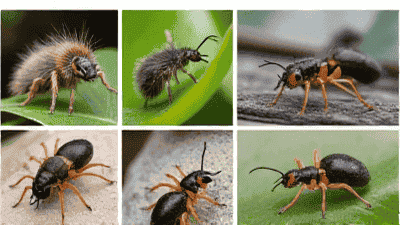
Household pests are an unwelcome aspect of homeownership or renting that can lead to discomfort, damage, and potential health risks. Recognizing these pests and understanding their habits is crucial for effective control and prevention.
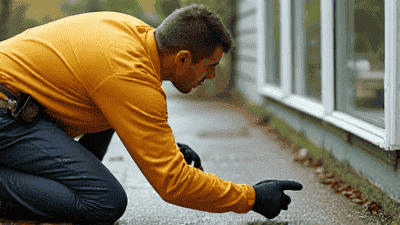
Pest infestations can be a homeowner's worst nightmare. From insects that damage wooden structures to rodents that chew through wiring, pests can cause significant property damage, compromise health, and disrupt daily life. One effective strategy for maintaining a pest-free home involves regular pest inspections. This proactive approach not only protects your property but also contributes to a healthier living environment.
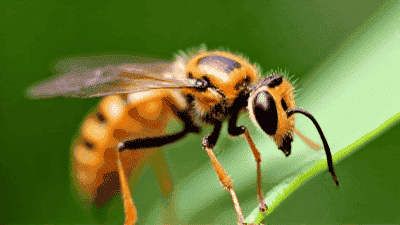
In the intricate world of gardening and agriculture, pests can pose a significant threat to crop health and yield. The use of chemical pesticides has historically been a primary method of control, but this approach often comes with negative side effects, including harm to non-target species, pollution, and the development of pesticide resistance. In recent years, the focus has shifted towards more sustainable methods of pest control, one of which harnesses the power of beneficial insects.
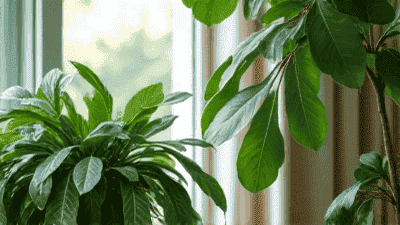
Indoor plants bring natural beauty and a sense of tranquility to our living spaces. However, they can also attract unwanted pests, which can be detrimental not only to the plants themselves but also to our homes. Fortunately, nature provides us with a solution: certain plants possess pest-repelling properties that can help protect both our greenery and our living areas from common household pests.

As pet owners, we cherish the companionship and unconditional love our furry friends provide. However, along with the joy of pet ownership comes the responsibility of keeping them healthy and safe from parasites like fleas and ticks. These pests not only cause discomfort but can also transmit serious diseases to pets and humans alike.